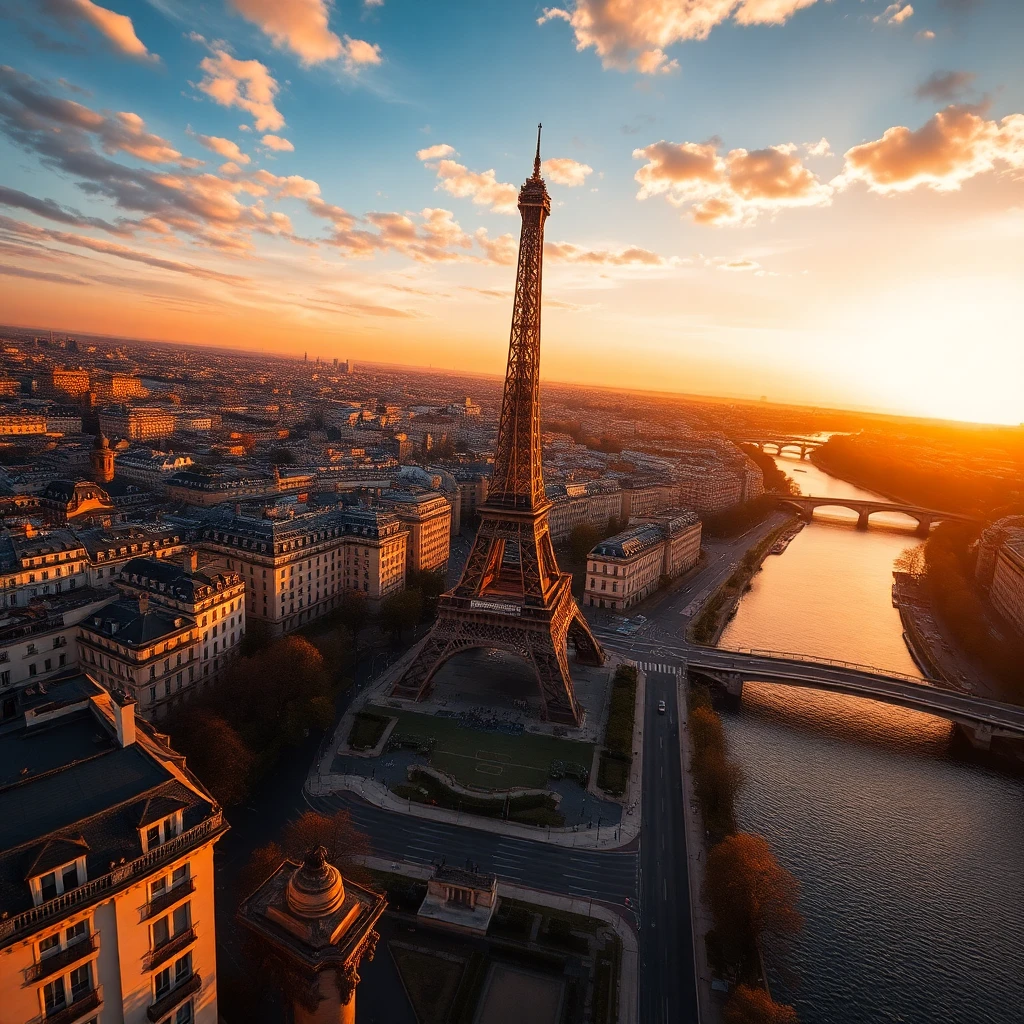
Everyone's first Europe trip is slightly chaotic. That's not a criticism — it's just the nature of planning something this large for the first time.
Too many options, too much conflicting advice, too many people telling you that you absolutely must see their particular favorite city while simultaneously warning you off everyone else's. We did our first Europe trip wrong. Four countries, eleven days, zero breathing room, home exhausted and slightly disappointed. The second trip — slower, smarter, more honest about what we actually wanted — changed everything. This guide is what we wish we'd had before that first trip. Not a list of things to see. A framework for actually planning something you'll enjoy.
Start Here: What Kind of Traveler Are You?
Before you book a single flight or choose a single city, answer this question honestly: what do you actually want from a European trip? This sounds obvious but most people skip it entirely. They go straight to Google, find the most popular destinations, and build an itinerary around what everyone else does rather than what they personally want.
Food & Wine
Italy, France, Spain. Slow meals, local markets, wine regions. Cities: Rome, Florence, Lisbon, Barcelona.
History & Culture
Rome, Athens, Vienna, Prague. Museums, ruins, architecture. Plan for longer stays in fewer places.
Beaches & Beauty
Santorini, Amalfi Coast, Dubrovnik. Go in May, June, or September. Avoid August.
Nightlife & Energy
Barcelona, Amsterdam, Berlin. Cities that don't sleep. Plan late starts and later nights.
Foolish Traveler Tip
Pick two or three things that genuinely matter to you and plan around those. "All of the above" is not an answer — it leads to the exhausting itinerary we described above.
How Long Do You Have?
This is the second most important question and the one most people get wrong in the same direction — they try to do too much in too little time.
1 Week
7 days
One or two cities maximum
Do them properly. Paris and one day trip. Rome with a side trip to Florence. Barcelona with a day in the surrounding countryside. One week spread across three or four cities is one week spent mostly in transit.
2 Weeks
14 days
The sweet spot
Two or three cities comfortably. Three at a push if they're well connected and you're genuinely comfortable moving fast. Two weeks is the sweet spot for a first Europe trip — enough time to settle into somewhere, enough time to see variety.
3+ Weeks
21+ days
Add the smaller gems
Three or four cities with real time in each. Start adding the smaller destinations — the Amalfi Coast, Santorini, Dubrovnik — that reward slower travel and punish being rushed.
The general rule: Every city you add to your itinerary costs you at least one day of actual experience in the cities you already have. Add carefully.
Choosing Your Cities
With your travel style and timeframe established, now you choose cities. Here's a framework:
For Maximum Impact
Paris & Rome
The two most visited cities in Europe for good reason. Both are inexhaustible, both reward any length of stay, and both deliver the "this is why people come to Europe" moment within the first hour of arrival.
For Something Slightly Different
Lisbon & Barcelona
Both have the full European experience — history, food, architecture, beach, nightlife — at lower prices than Paris or Rome, with smaller crowds and a warmth that's harder to find in the more heavily touristed capitals.
For Central Europe
Prague & Vienna
Similar distance from most US airports, excellent rail connection between them, dramatically different personalities. Prague for atmosphere and value, Vienna for culture and coffee houses.
For Beach & Beauty
Santorini & Amalfi Coast
Expensive, crowded in peak season, and genuinely as beautiful as every photograph suggests. Go in May, June, or September.
The Flight Question
Flying into one city and out of another — an open jaw ticket — is almost always better than flying into and out of the same place. It removes the need to backtrack and opens up more logical routing.
Good Open Jaw Combinations
Classic, well-connected, two of Europe's greatest cities
Sunny, varied, covers Spain and Italy
Underrated pairing, excellent value
The grand tour classic
Foolish Traveler Tip
Book flights 3–6 months ahead for transatlantic routes. Tuesday and Wednesday departures are consistently cheaper than weekend travel.
How to Get Between Cities
Europe's rail network is one of its greatest assets. High speed trains connect most major cities in under three hours and the experience of arriving in a city center by train rather than a distant airport is one of travel's genuine pleasures.
Key Rail Routes
Paris → London
Eurostar through the Channel Tunnel
Paris → Amsterdam
Thalys high speed
Rome → Florence
Frecciarossa high speed
Barcelona → Madrid
AVE high speed
Vienna → Prague
Standard train
Budget airlines — Ryanair, easyJet, Vueling — cover routes the trains don't and can be genuinely cheap if booked early. The catch: budget airlines use secondary airports often 45–90 minutes from city centers. Factor that time and cost in before assuming the cheap flight is actually cheaper than the train.
Where to Stay
Better for shorter stays (1–3 nights), when you want services, and when location is the priority. A well-located hotel in central Paris or Rome is worth paying for — the walkability transforms your experience.
Better for longer stays (4+ nights), when you want a kitchen, and when you want to feel like you're living somewhere rather than visiting. Usually cheaper than hotels for equivalent space, especially for groups.
Foolish Traveler Tip
Location matters more than almost any other factor. A cheaper hotel in the right neighborhood is better than a more expensive one that requires transport to reach anything worth seeing. Stay within walking distance of the historic center.
Money, Cards, and Currency
Currency by Country
Euro (€)
France, Italy, Spain, Portugal, Germany, Austria, Netherlands, Greece
Pound Sterling (£)
United Kingdom
Czech Koruna (Kč)
Czech Republic
Euro (€) — since 2023
Croatia
The Best Approach
The Packing Question
Europe is walkable in a way that most travelers underestimate until their feet are destroyed by day three. Pack accordingly.
The Most Important Thing Nobody Tells You
Slow down.
We know. We said it before. We're saying it again because it's the thing that makes the biggest difference and the thing most first-time travelers ignore entirely.
The temptation to maximize every moment of an expensive trip is completely understandable. You've spent a lot of money to be here. You want to make it count. So you pack in as much as possible and run yourself into the ground trying to see everything.
What Actually Makes a Europe Trip Memorable
None of those things happen on a packed itinerary. They happen in the margins — in the time you deliberately left empty.
Foolish Traveler Tip
Build in a morning with nothing scheduled. Leave an afternoon unplanned. Say yes to whatever the city offers rather than what the itinerary demands. That's how you travel Europe. Everything else is logistics.
Ready to Build Your Itinerary?
Build your personalized European itinerary in 60 seconds with our AI Trip Architect — or browse our destination guides for the cities that are calling you.
Affiliate Disclosure: Some links in this guide are affiliate links. If you book through them, we may earn a small commission at no extra cost to you. We only recommend experiences we genuinely believe in.