Lisbon has been "discovered" approximately forty times in the last decade by travel publications that keep acting surprised that it's wonderful. Here's the truth: Lisbon has always been wonderful.
It is still wonderful. More crowded than it was, more expensive than it was, but still possessing a beauty and melancholy and warmth that no amount of tourist attention has managed to dilute entirely. Go. Go soon. Go before it gets any more expensive.
When to Go
March through May and September through October. The weather is warm without being brutal, the light is extraordinary, and the city operates at full capacity without the crushing summer tourist density.
August if you're heat-sensitive. Lisbon in August is hot in a way that makes the famous hills genuinely punishing by afternoon.
Foolish Traveler Tip
Lisbon in February is underrated. The mimosa trees are in bloom, the city is quiet, accommodation is cheap, and the Atlantic light on those blue-tiled facades is something you'll remember forever.
Getting Around Lisbon
Lisbon is hilly in a way that rewards planning. The historic neighborhoods — Alfama, Mouraria, Graça — involve serious elevation changes that are beautiful and occasionally exhausting. The iconic yellow trams are romantic but slow and absolutely packed in peak season. Tram 28 through Alfama is worth doing once for the experience — just hold your belongings tightly.
Metro
Efficient and covers the modern city well. Red Line connects the airport directly to the city in about 20 minutes.
Uber
Works and is cheap. For the hills, the historic funiculars — Elevador da Bica, Elevador da Glória — are genuine transport as well as attractions.
Where to Stay in Lisbon
For Old Lisbon
Alfama
The city's oldest and most atmospheric neighborhood — Moorish origins, fado music drifting from restaurant windows, viewpoints every few streets. Steep, beautiful, and unlike anywhere else in Europe.
For Contemporary Lisbon
Príncipe Real
Where the city's creative and culinary energy currently lives. Excellent restaurants, independent shops, the best antique market in the city on Saturdays, and a relaxed sophistication that feels authentically Portuguese.
For Value and Character
Mouraria
The old Moorish quarter adjacent to Alfama — quieter than its neighbor, more residential, and increasingly interesting culinarily. Significantly cheaper than Príncipe Real or Chiado.
Foolish Traveler Tip
Lisbon's best accommodation tends to be in converted historic buildings — azulejo-tiled staircases, high ceilings, original floors. Choose character over convenience if you have to choose.
What to Eat in Lisbon
Portuguese food is one of Europe's most underappreciated culinary traditions and Lisbon is its finest expression.
Pastéis de Nata
The custard tart. Flaky pastry, creamy custard filling, dusted with cinnamon and powdered sugar, eaten warm from the oven. The original at Pastéis de Belém has been made to the same secret recipe since 1837. The queue is worth it.
Bacalhau
Salt cod, prepared approximately 365 ways according to Portuguese culinary tradition. Bacalhau à Brás — shredded salt cod with eggs, onions, and thin-cut potatoes — is the gateway dish. Order it at a traditional tasca.
Piri Piri Chicken
Charcoal-grilled, basted with piri piri sauce, served with chips and salad. Simple, perfect, and one of the great casual meals in Europe.
Portuguese Wine
Extraordinary and extraordinarily cheap. Vinho Verde for summer drinking — light, slightly sparkling, €8 a bottle. Alentejo reds for serious drinking. Ginjinha — cherry liqueur served in a chocolate cup from street kiosks near Rossio Square — for the full Lisbon experience.
The Experiences Worth Having
Belém Tower & Jerónimos Monastery
Go EarlyThe twin monuments of Portuguese maritime history. The monastery is one of the great examples of Manueline architecture — Portugal's own extravagant Gothic style — and earns every superlative thrown at it.
LX Factory
Sunday MarketA converted industrial complex in Alcântara hosting independent restaurants, bars, bookshops, and a Sunday market that is genuinely one of the best markets in Europe. Sunday afternoon here is a Lisbon essential.
A Fado Evening
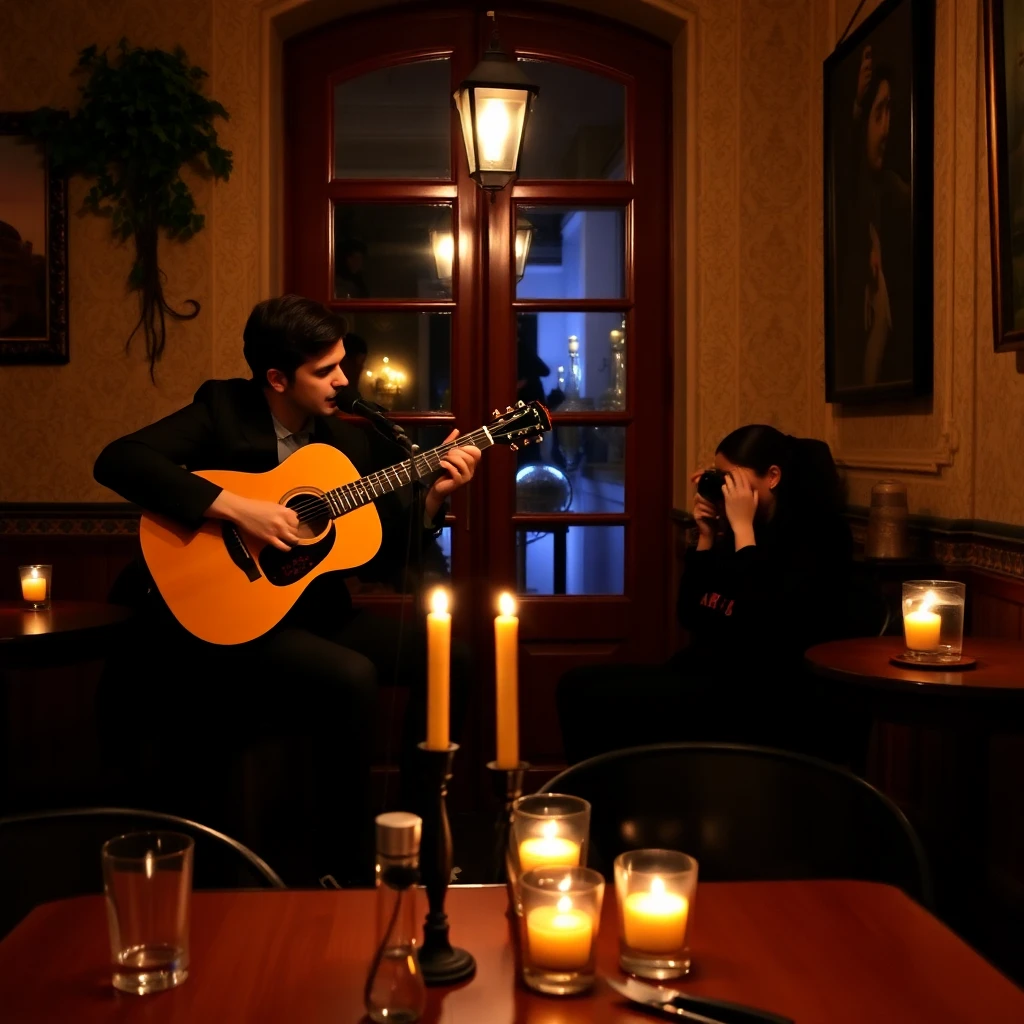
EssentialFado — Portugal's melancholy, beautiful national music — is best heard in a small intimate venue in Alfama or Mouraria rather than a tourist-facing restaurant show. Seek out the smaller venues where the music is the point.
Sintra Day Trip
Day Trip40 minutes by train from Rossio station, Sintra is a UNESCO World Heritage hillside town of fairy tale palaces — Pena Palace in lurid yellows and reds, the mysterious Quinta da Regaleira. One of the best day trips in Europe. Go on a weekday.
The Viewpoints (Miradouros)
FreeLisbon's hilltop viewpoints — Miradouro da Graça, Miradouro de Santa Catarina, Miradouro das Portas do Sol — are free, spectacular, and best at sunset with a beer from the kiosk. This is Lisbon at its most itself.
Sintra day trips and fado experiences book out weeks ahead
Lock them in before peak season hits.
Lisbon After Dark
Lisbon nights run late and warm up slowly. Dinner at 9pm. Bars from 11pm. Clubs from 1am. The city's nightlife is concentrated in Bairro Alto — where dozens of tiny bars spill their customers onto the streets — and Cais do Sodré, which has transformed from a rough dockside district into the city's most interesting nightlife neighborhood.
Pink Street
Rua Nova do Carvalho in Cais do Sodré — painted pink, reliably lively, a good starting point.
Bairro Alto
Dozens of tiny bars spilling customers onto the streets. The classic Lisbon bar crawl.
Fado in Alfama
Clubs run until 2am — quieter, more emotional, and more authentically Portuguese.
Foolish Traveler Tip
Ginjinha from a street kiosk at midnight in Rossio Square, surrounded by locals doing exactly the same thing, is one of those travel moments that costs €1.50 and stays with you permanently.
Practical Lisbon
Language
Portuguese. Lisboetas speak excellent English but appreciate the attempt. Obrigado (thank you — male speaker) or Obrigada (female speaker) goes a long way.
Money
Still among the most affordable Western European capitals. Budget €65–90 per day. A tasca lunch runs €8–12. A bottle of excellent wine costs €6 in a supermarket.
Safety
Lisbon is safe. Alfama and Mouraria require standard awareness at night. Tram 28 is a known pickpocket route — hold your belongings consciously.
Hills
Real and significant. Wear shoes you can actually walk in. Lisbon will punish fashion footwear choices without mercy.
Ready to Book Your Lisbon Trip?
Sintra day trips and fado dinner experiences book out weeks ahead in peak season. Lock them in before you go.
Lisbon to Barcelona by train or flight is one of Europe's great Iberian pairings. Combine Portugal's melancholy beauty with Catalonia's exuberant energy for a trip that covers the best of the peninsula.
Read the Barcelona GuideAffiliate Disclosure: Some links in this guide are affiliate links. If you book through them, we may earn a small commission at no extra cost to you. We only recommend experiences we genuinely believe in.