"Travel like a local" has become such a travel cliché that it's almost lost its meaning. Every tour company promises it. Most of them then proceed to tell you to go to the same places they tell everyone else to go, just framed as secret local knowledge.
Here's what traveling like a local in European cities actually means — the behaviors, the rhythms, and the choices that distinguish the traveler who experiences a city from the tourist who witnesses it.
The single most transformative thing you can do
Match the Eating Schedule
In Spain and Portugal, lunch runs from 2–4pm and dinner from 9–11pm. Arriving at a restaurant at 6pm puts you in a room full of tourists being served by staff who haven't mentally arrived at their dinner service yet. Arriving at 9:30pm puts you in a room full of locals having an actual dinner experience.
In Italy, lunch is sacred from 1–3pm and dinner from 8–10pm. The "kitchen is closed" sign between 3pm and 7:30pm is not laziness — it's the correct understanding that food prepared and eaten outside of mealtimes is inferior to food prepared and eaten when the kitchen and the diner are both ready.
In France, breakfast is quick (a croissant and coffee at a bar, standing), lunch is taken seriously (the plat du jour exists because lunch is worth sitting down for), and dinner is an event.
Match these rhythms. Eat when the locals eat. Your food will be better, your company will be better, and you will feel more like you're living in a city rather than passing through it.
Where cities reveal themselves most honestly
Use the Markets
Every great European city has a market that locals actually use — not the tourist-facing Boqueria or the Mercato Centrale (both worth visiting once for the spectacle) but the neighborhood markets where the city's residents buy their food.
The Marché d'Aligre in Paris. The Porta Portese market in Rome on Sunday mornings. The Albert Cuyp in Amsterdam. The Mercado de l'Abaceria in Barcelona's Gràcia. The Feira da Ladra flea market in Lisbon.
Buy something at these markets. Eat something. Sit nearby and watch. Markets are where cities reveal themselves most honestly.
A window into ordinary city life
Take the Local Transport
The tourist bus exists to move you between highlights without requiring engagement with the city. The metro, the tram, the bus — used by locals — put you inside the city's daily life.
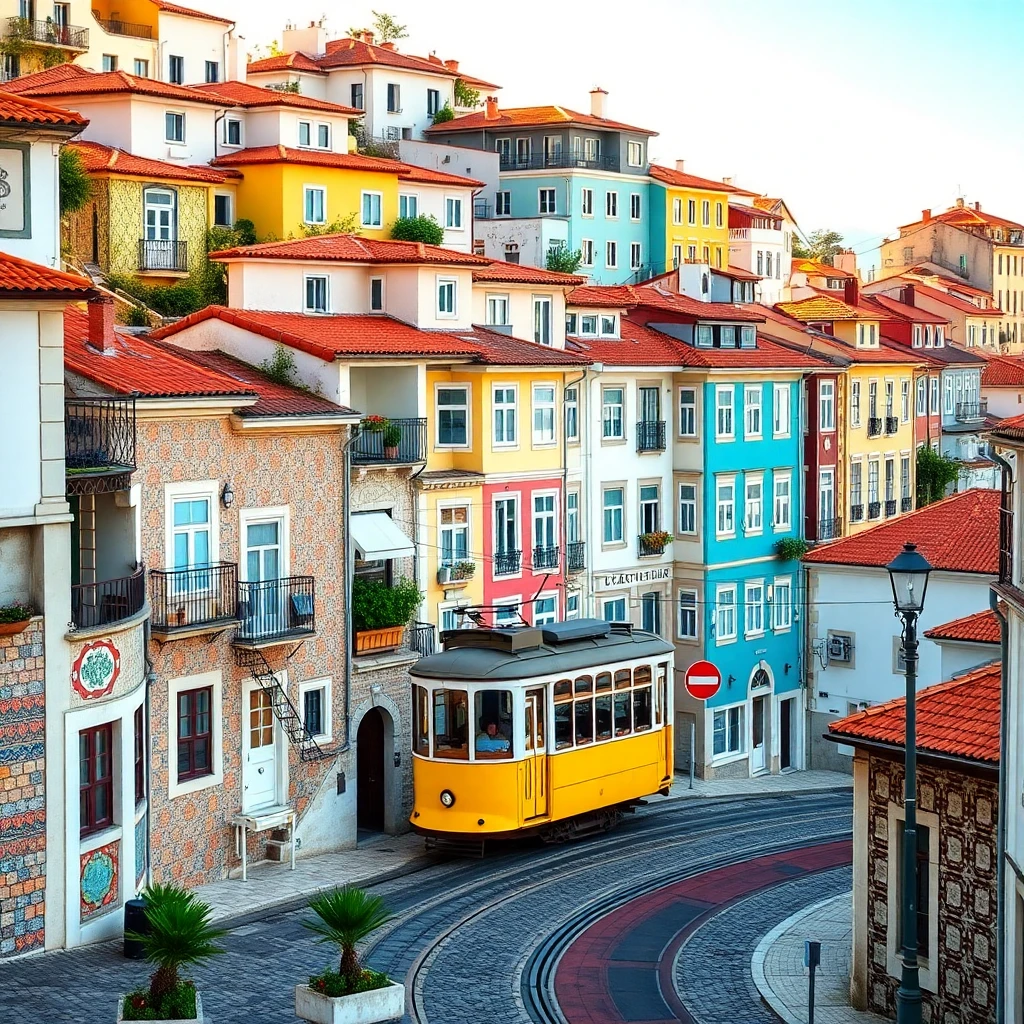
Take the Paris Metro at rush hour and experience the particular compressed social contract of commuting in a beautiful city. Take a Lisbon tram through Alfama and understand why people live here. Take Amsterdam's tram 2 from the center to the Vondelpark and watch the city change around you.
Local transport is not just cheaper than tourist alternatives. It is a window into ordinary city life that the tourist infrastructure specifically excludes you from.
Not a full language. Five words.
Learn Five Words
Bonjour. Merci. Scusi. Grazie. Obrigado.
The effect of attempting the local language — even badly, even with an accent that makes native speakers suppress a smile — is transformative. It signals respect. It signals that you're trying to be a guest rather than a consumer. It activates a warmth in most Europeans that remains dormant when tourists arrive speaking English at increased volume.
Five words. The investment is fifteen minutes. The return is a completely different quality of interaction for the entire trip.
The preferred position, not the last resort
Sit at the Bar
In Italy especially, the bar counter is not a place of last resort when tables are full. It is the preferred position for breakfast, the place where quick lunches happen, and the social center of neighborhood life. Standing at a bar in Rome with a cornetto and a cappuccino, surrounded by people doing the same thing on their way to work, is one of the most local experiences available to a visitor.
In Spain, the bar counter is where the best tapas are served, where the bartender knows which of today's offerings is freshest, and where the most interesting conversations happen.
Sit at the bar. Order what they recommend. Talk to whoever is next to you.
The most counterintuitive local behavior
Do Nothing for a Morning
European urban life is organized around the concept of doing nothing productively — the café culture, the aperitivo hour, the Sunday afternoon in a park — in a way that most Anglo-American travel culture is not.
Spending a morning at a café table with a coffee and no agenda, watching the city happen around you, is not wasting your trip. It is the trip. It is how you understand a place rather than simply witnessing it.
The tourist maximizes every moment. The local understands that the best moments are the ones you didn't plan for.
The most local experience available to any traveler
Stay Long Enough to Become a Regular
The most local experience available to any traveler is becoming a regular somewhere. It requires only repetition and the willingness to return to the same café or bar on consecutive days.
By day two at the same café, they remember how you take your coffee. By day three, the interaction has warmth rather than transaction. By day four, you have the beginning of a relationship with a place that most tourists — moving between three cities in a week — never develop anywhere.
This is why single-city trips, done properly, produce more genuine local experience than multi-city trips. You have time to become a regular. You have time for the city to recognize you.
Build a Trip Worth Taking
Tell our AI Trip Architect how you want to travel. Get a personalized itinerary built around the local experience — not the highlights reel.
Affiliate Disclosure: Some links in this guide are affiliate links. If you book through them, we may earn a small commission at no extra cost to you. We only recommend experiences we genuinely believe in.